A Civil Rights Foot Soldier Who Made History with Courage and Dedication to Voting Rights
John Suttles' Early Life in the 1960s
John Suttles grew up in the heart of the Civil Rights Movement in Selma, Alabama. As a young boy, his days were filled with the simple joys of childhood—playing with friends and building things. But his life took a sharp turn in the early 1960s, as the struggle for racial equality in the South reached its boiling point.
The Selma 'Bloody Sunday' March
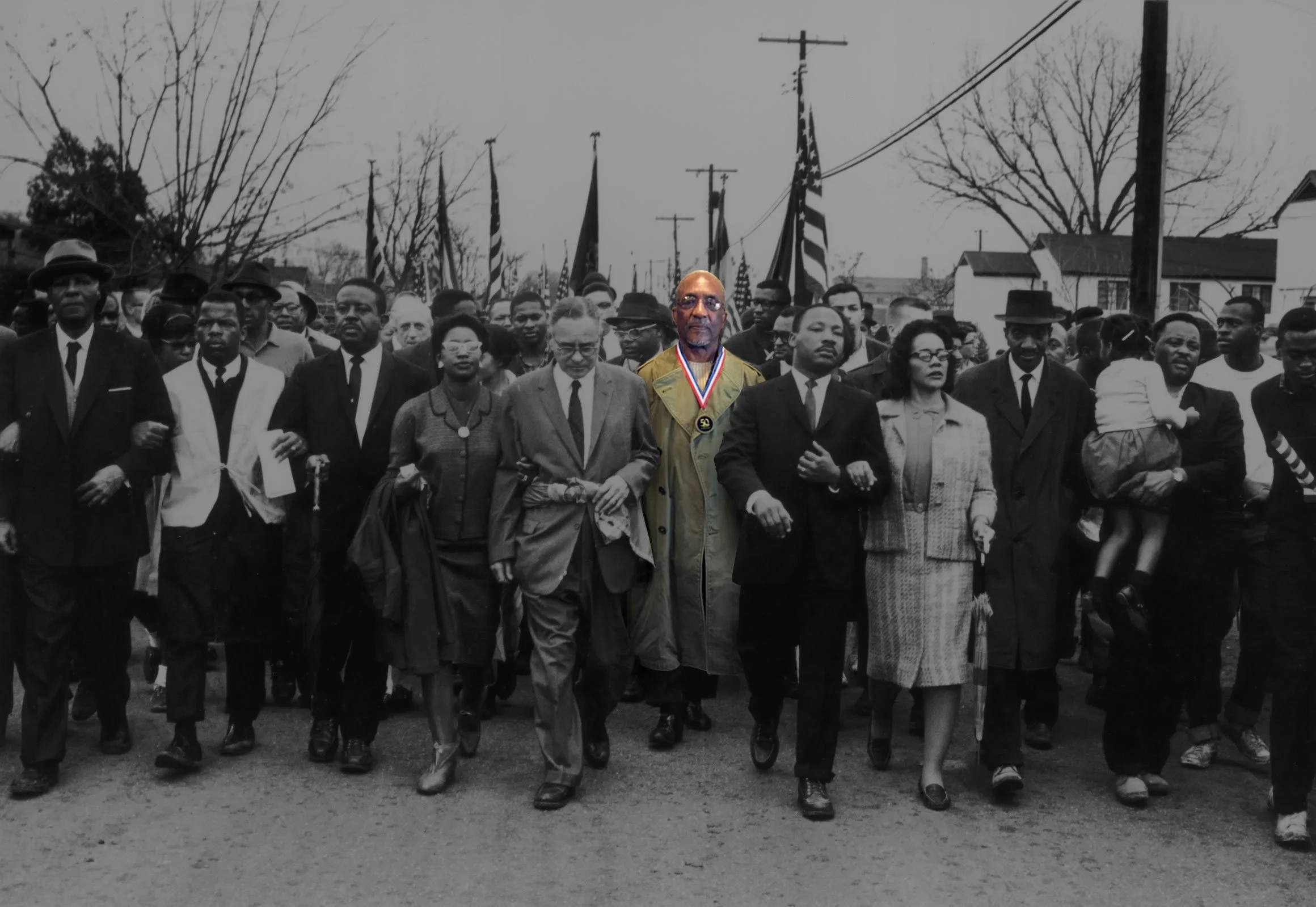
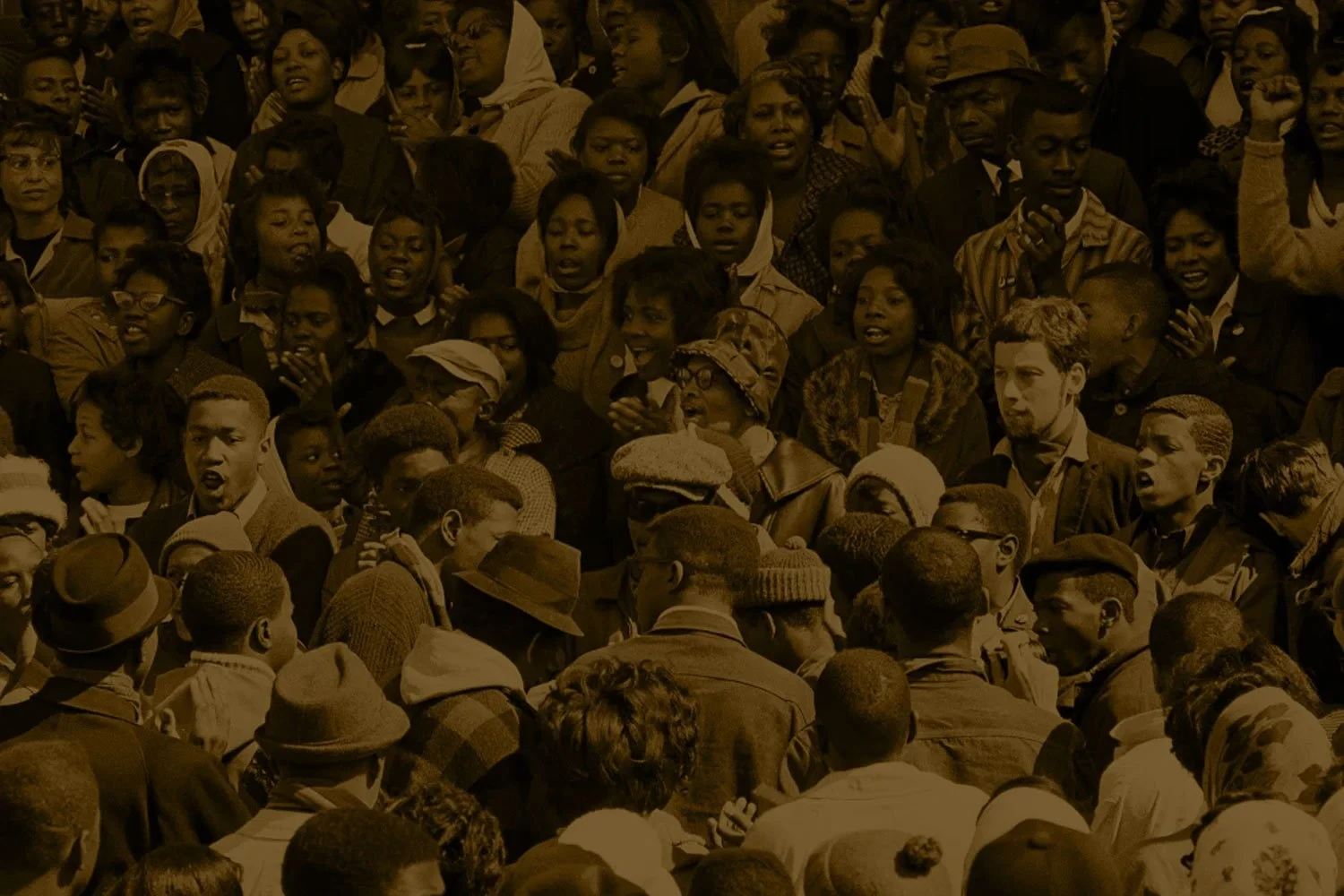
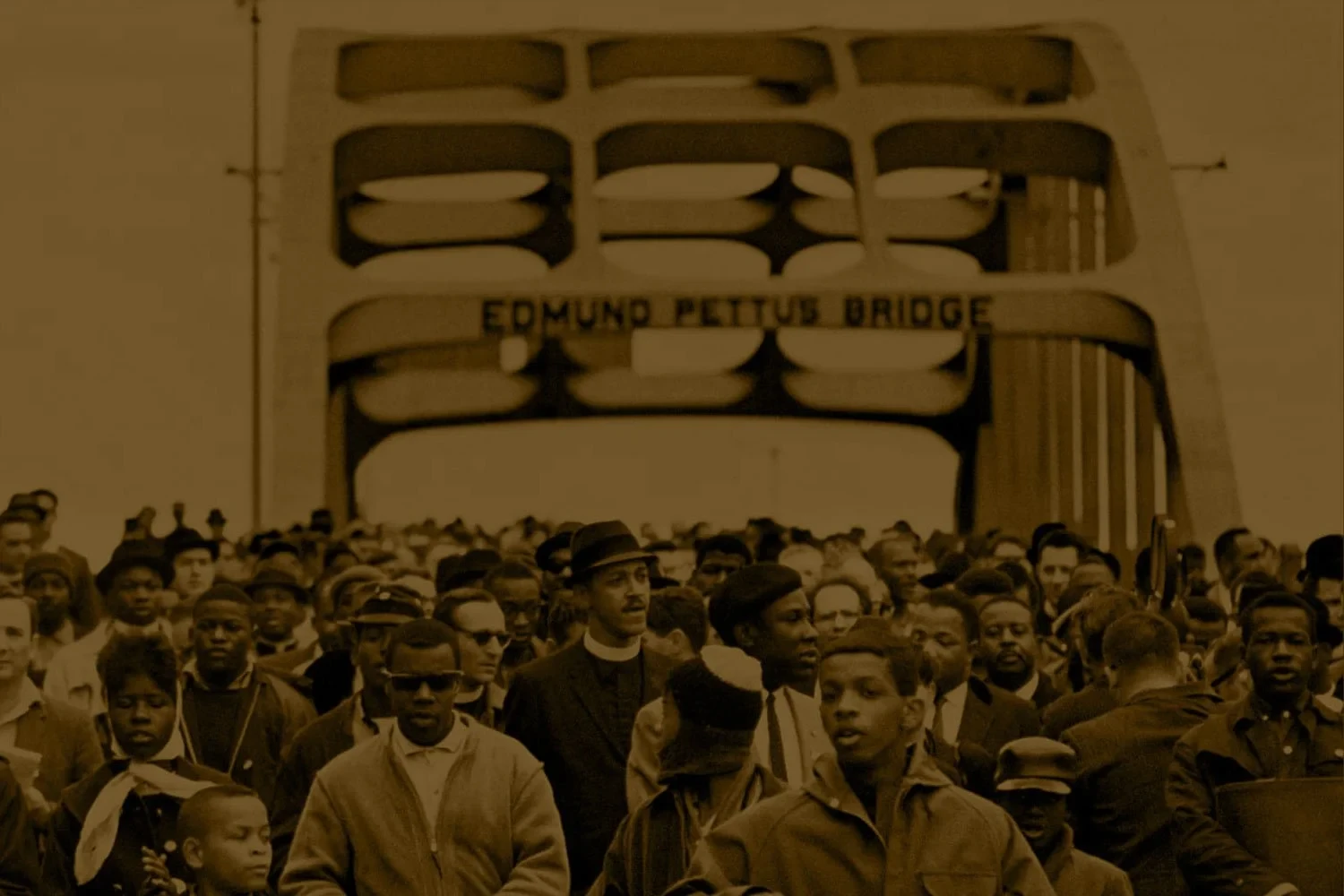
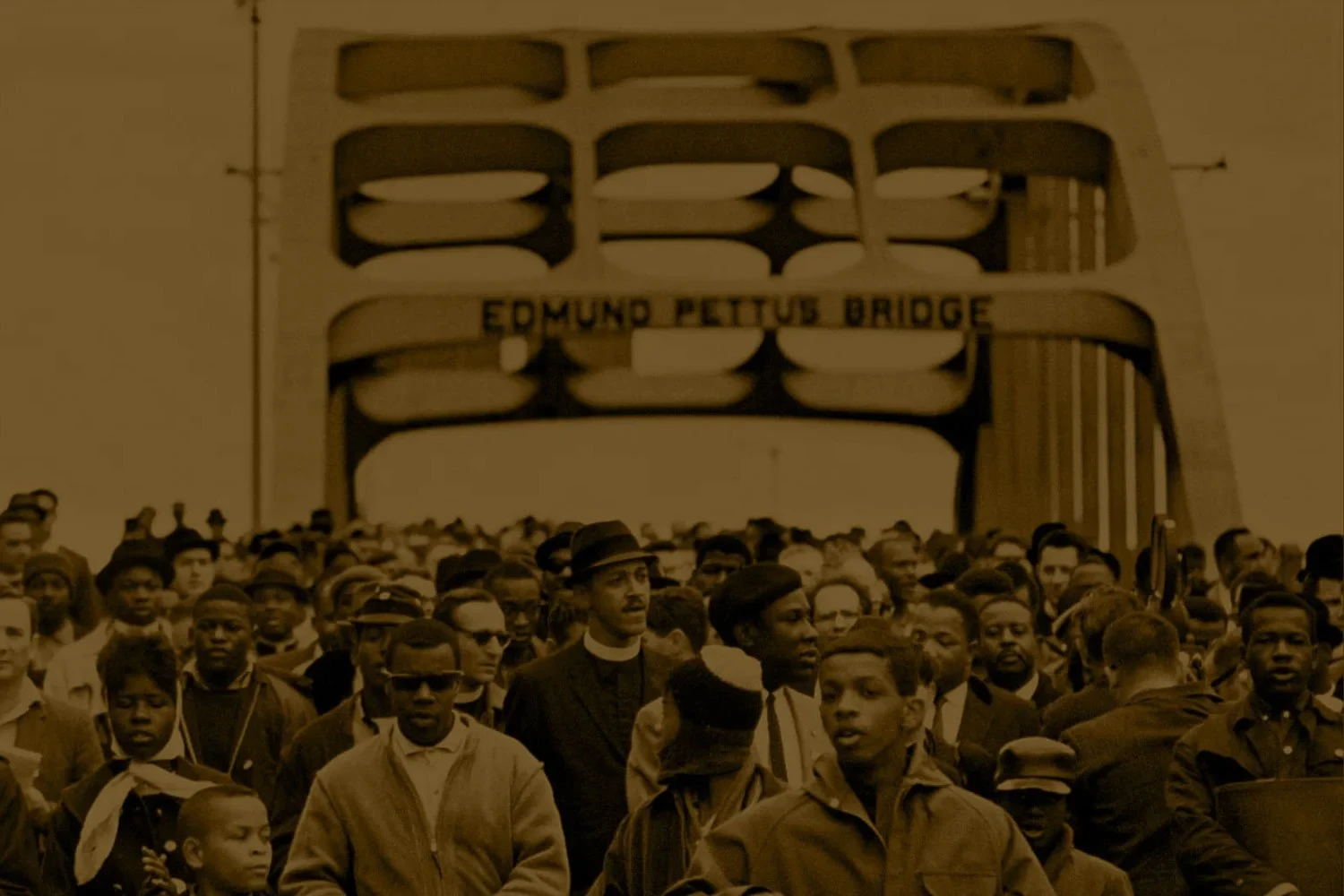
The year was 1965, and the battle for voting rights was intensifying. On March 7, 16-year-old John Suttles joined 600 peaceful marchers as they set out to walk from Selma to Montgomery. This first attempt, later known as Bloody Sunday, was in response to the tragic killing of Jimmie Lee Jackson, a young activist who had been shot by police during a protest the month before.
John Suttles and the Civil Rights Movement
John Suttles' story is a powerful reminder of the sacrifices made during the Civil Rights Movement. The Selma marches, particularly the events of Bloody Sunday, became a turning point in the fight for racial equality in America. Suttles and his fellow marchers' bravery helped secure the Voting Rights Act of 1965, ensuring greater access to the ballot box for millions of Americans.
National Voting Rights Museum & Institute
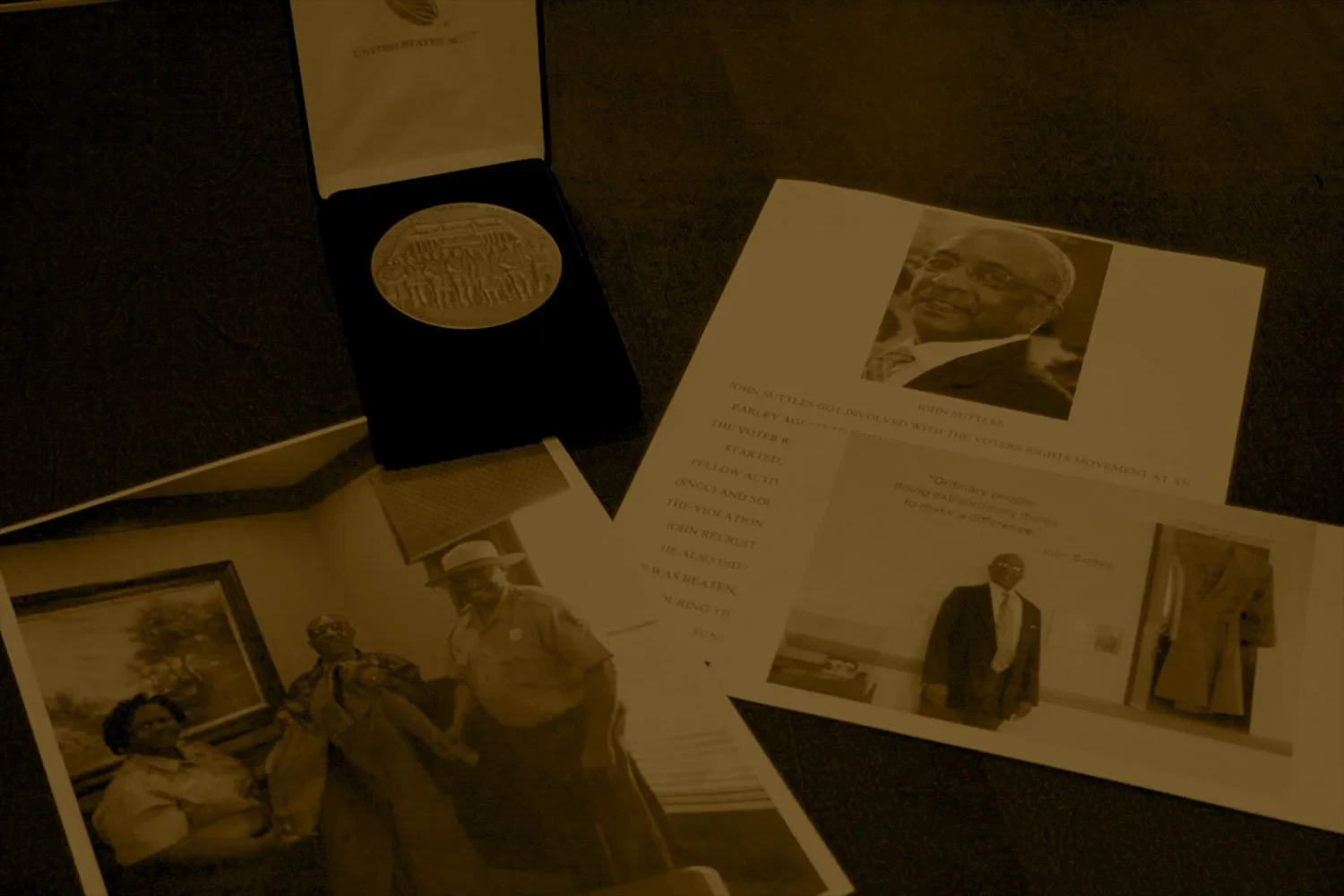
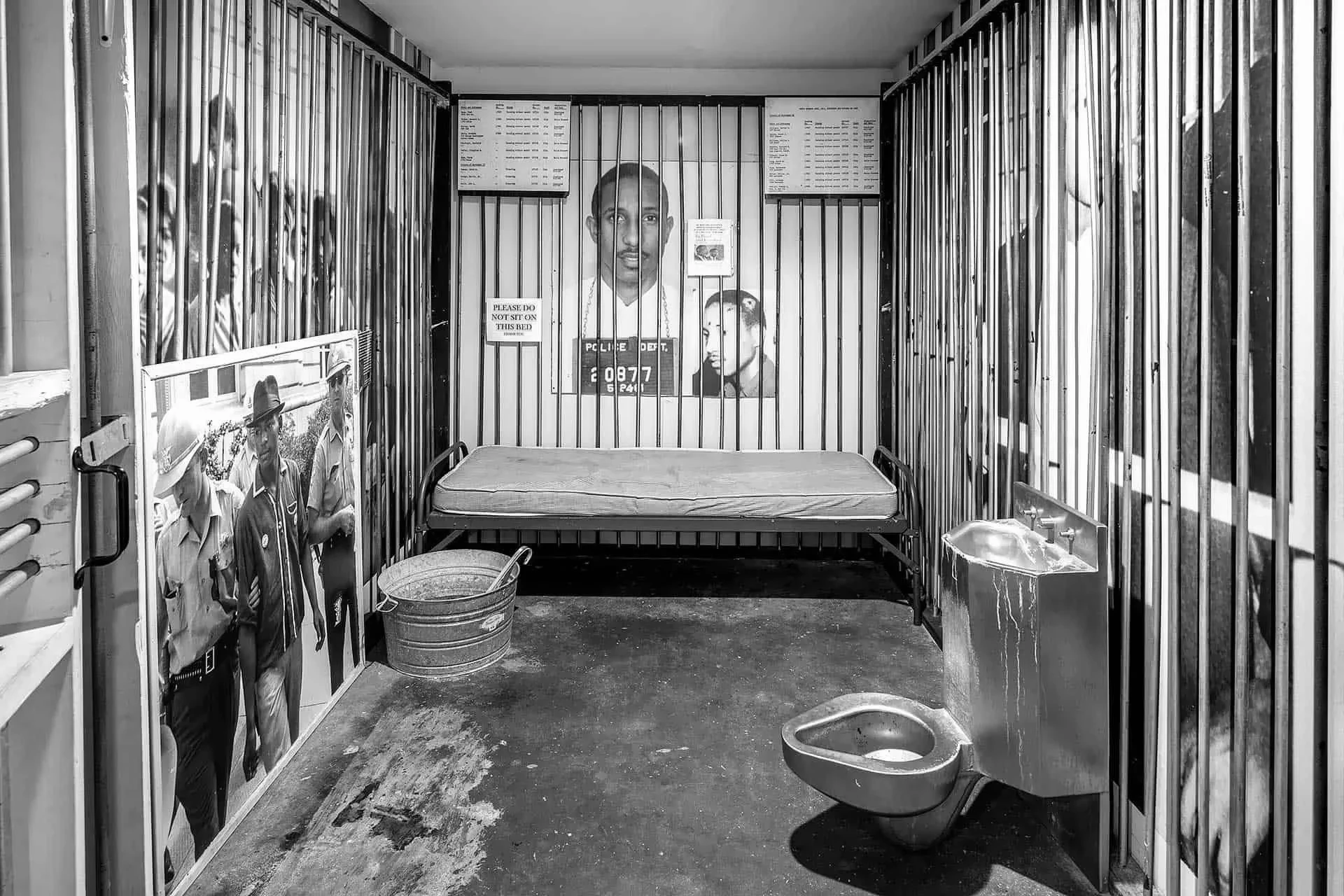
After President Lyndon Johnson signed the Voting Rights Act on August 6, 1965, nearly 7,000 African Americans registered to vote in Dallas County, Alabama, resulting in the election defeat of the segregationist sheriff who led the Bloody Sunday attack on marchers. This museum displays items and stories relating to the voting rights campaign including the very bloodstained jacket that John Suttles wore during the Selma Bloody Sunday march. Hear firsthand accounts of these events from volunteer guides as they share memories of the struggle to gain the right to vote.
Protect Voting Rights and Honor the Civil Rights Legacy
Join us in honoring John Suttles and the countless others who risked everything for the right to vote. Explore the history of the Civil Rights Movement, support initiatives that protect voting rights, and share John Suttles' incredible story with the next generation. Together, we can continue the work they began and strive for a more equitable future.
These people still believe in democracy (little d) and are working to keep it.
For the Fourth of July, USA Today asked people around the country what democracy means to them and what they are doing to keep it. Reporter Deborah Barfield Berry included John Suttles among them…
Fighting for voting rights, making 'good trouble' in John Lewis' name, now a partisan issue
USA Today's Deborah Barfield Berry opens this report on the John Lewis Voting Rights Advancement Act with John Suttles, who marched with Lewis out of Selma in 1965 and is frustrated that a bill…
The City of Johns Creek held its first MLK Unity Breakfast on January 15 at Taylor Lodge at St. Benedict's Catholic Church. John Suttles, a Johns Creek resident, gave the closing remarks.